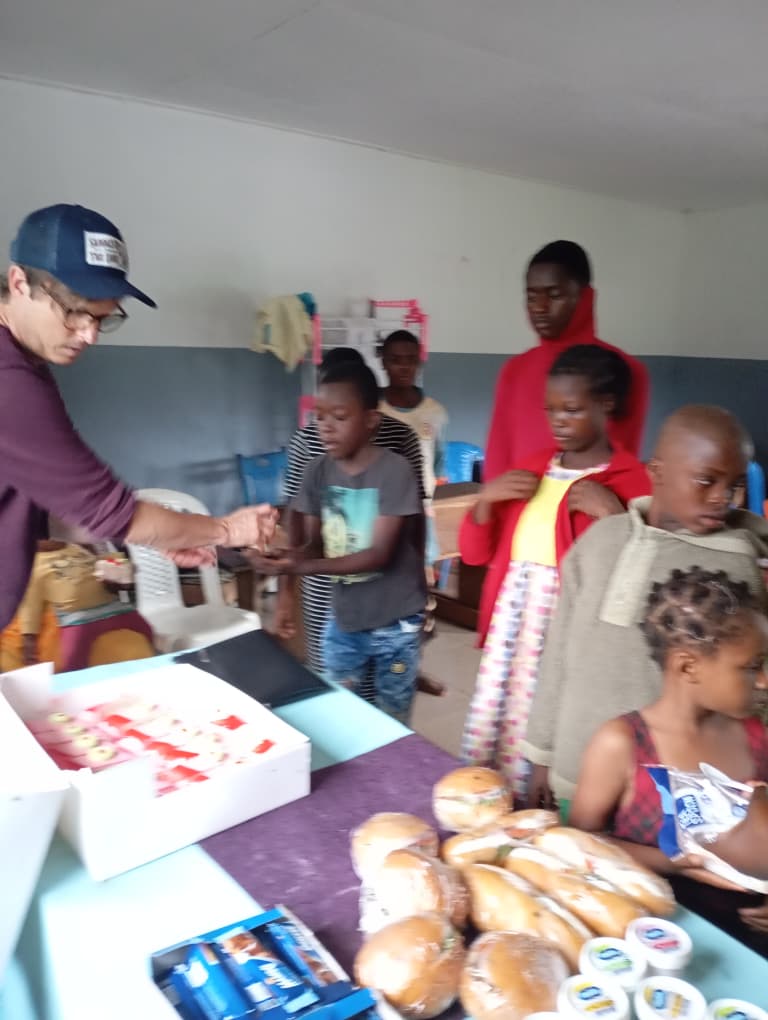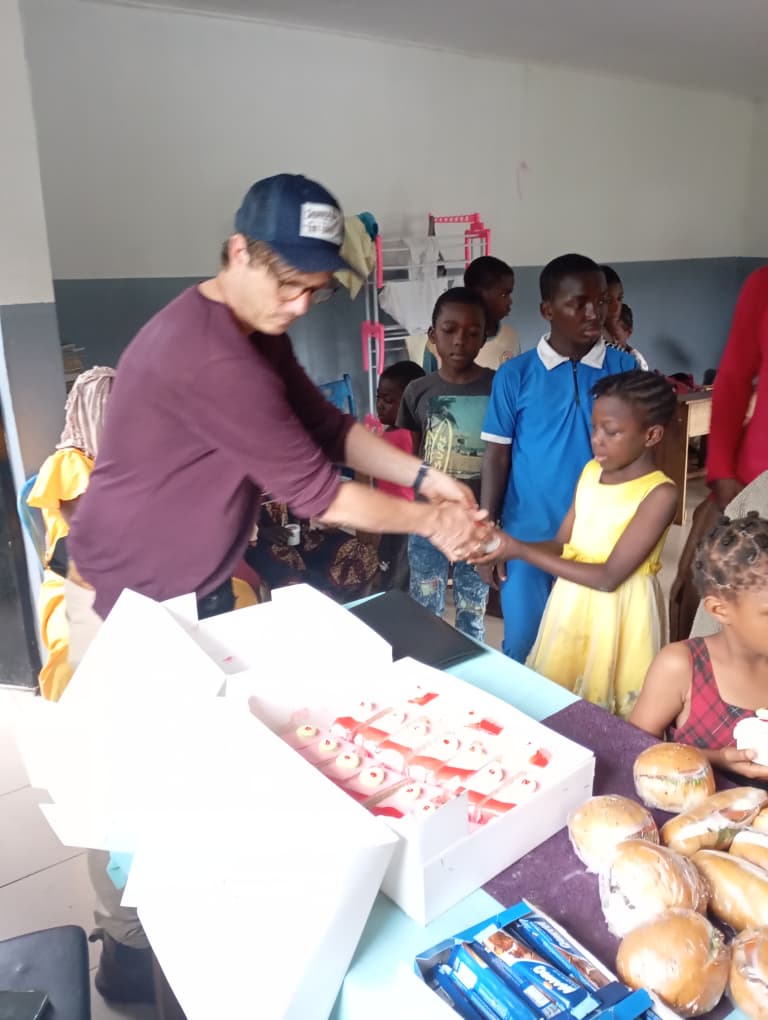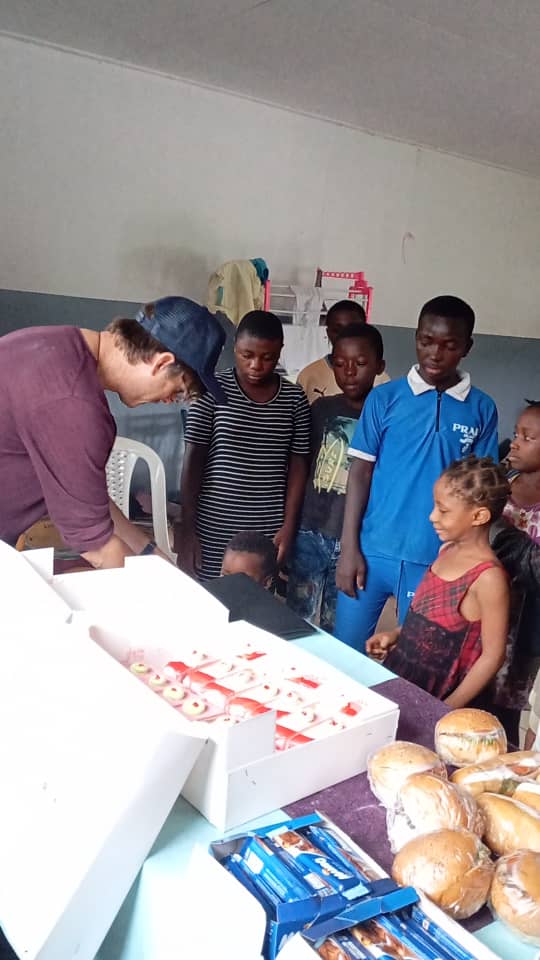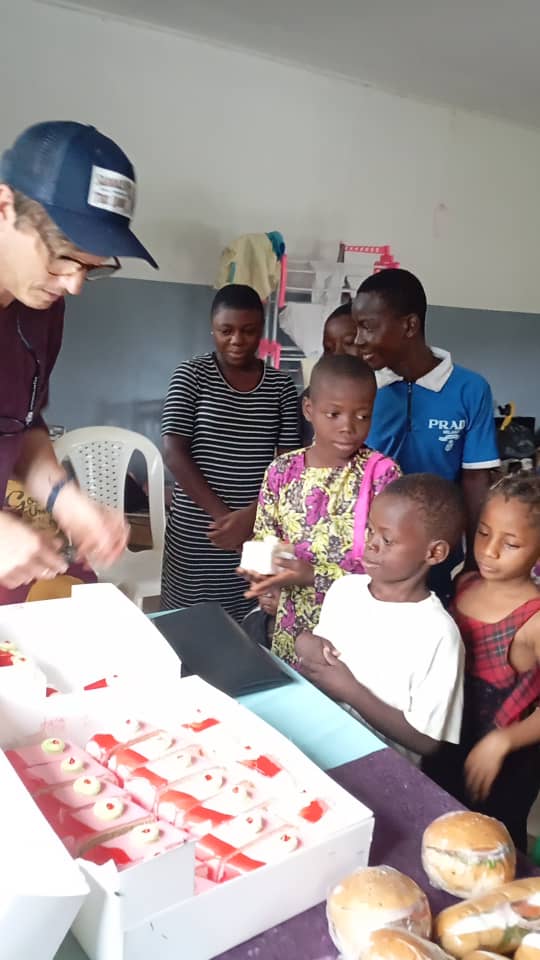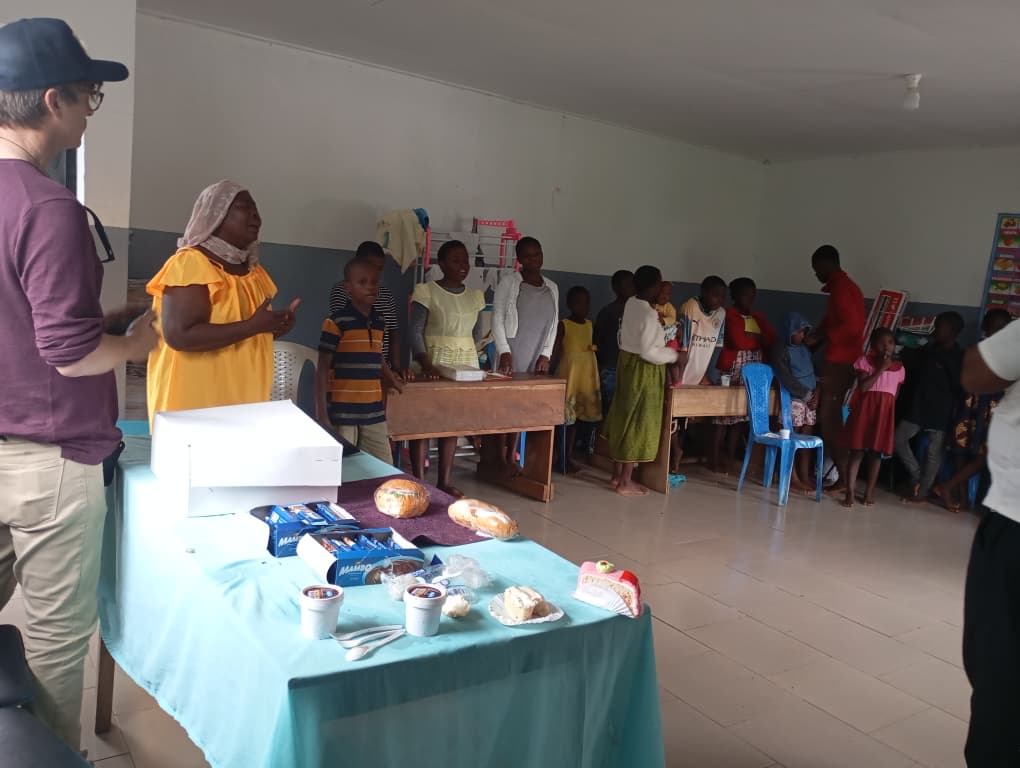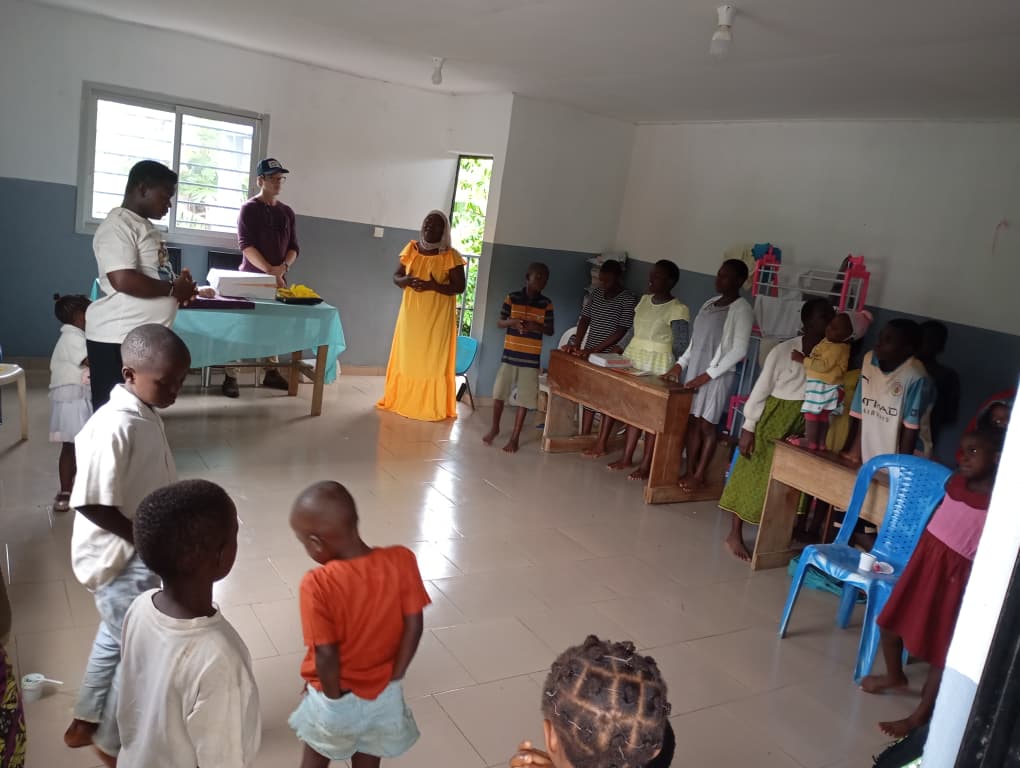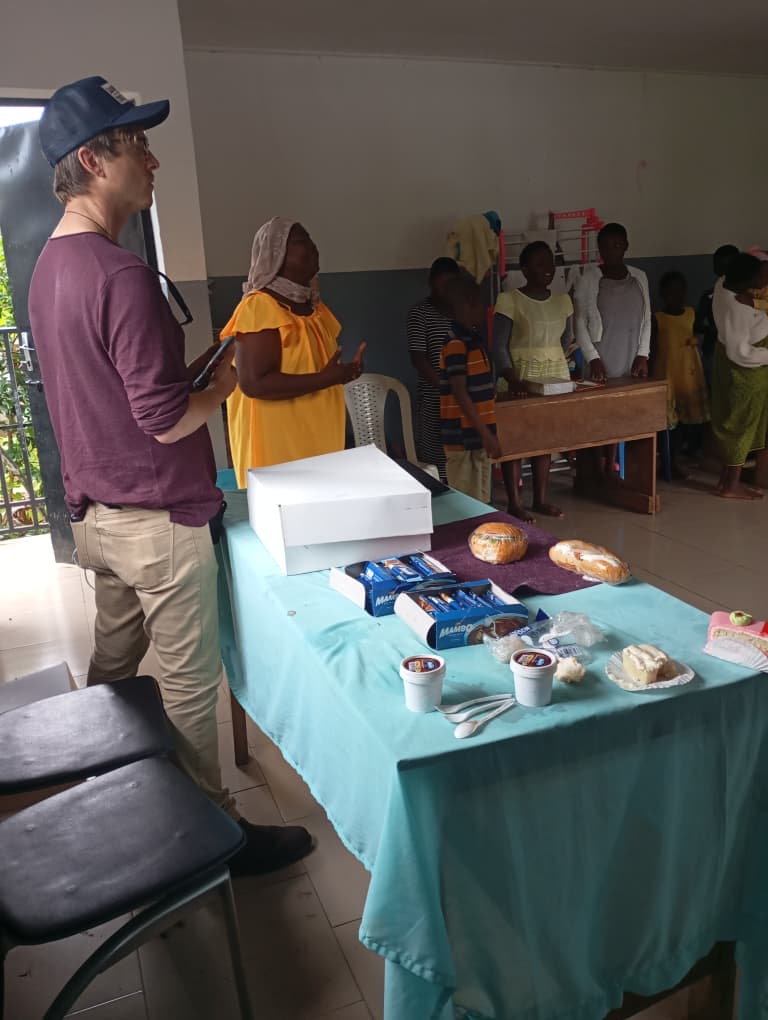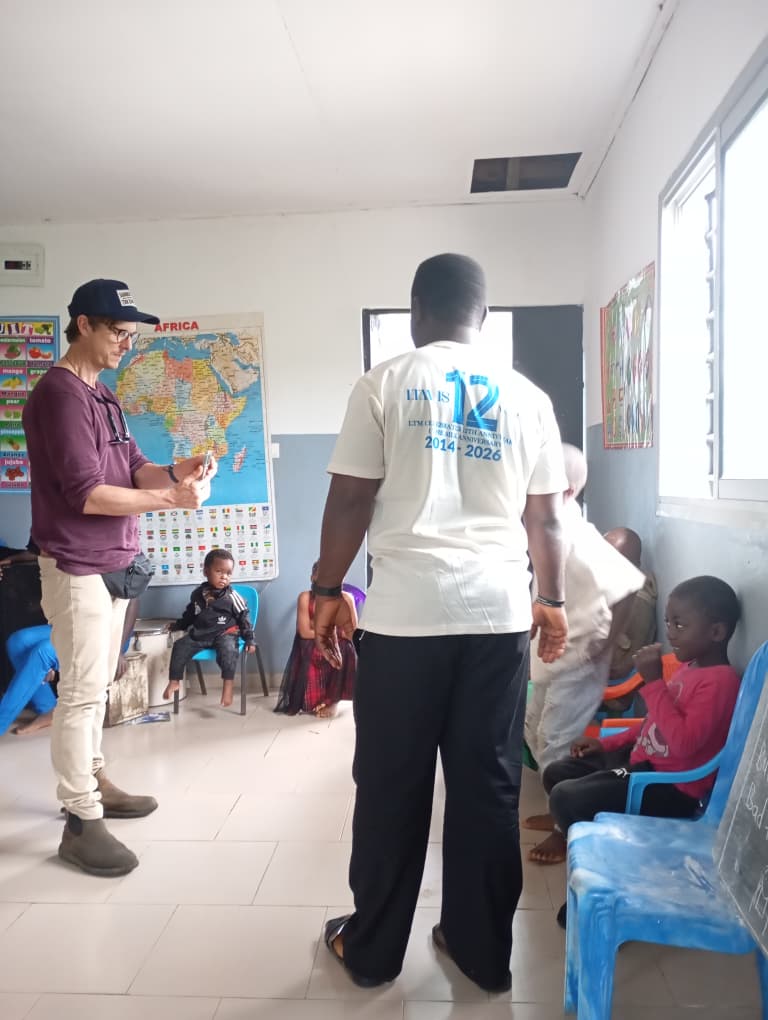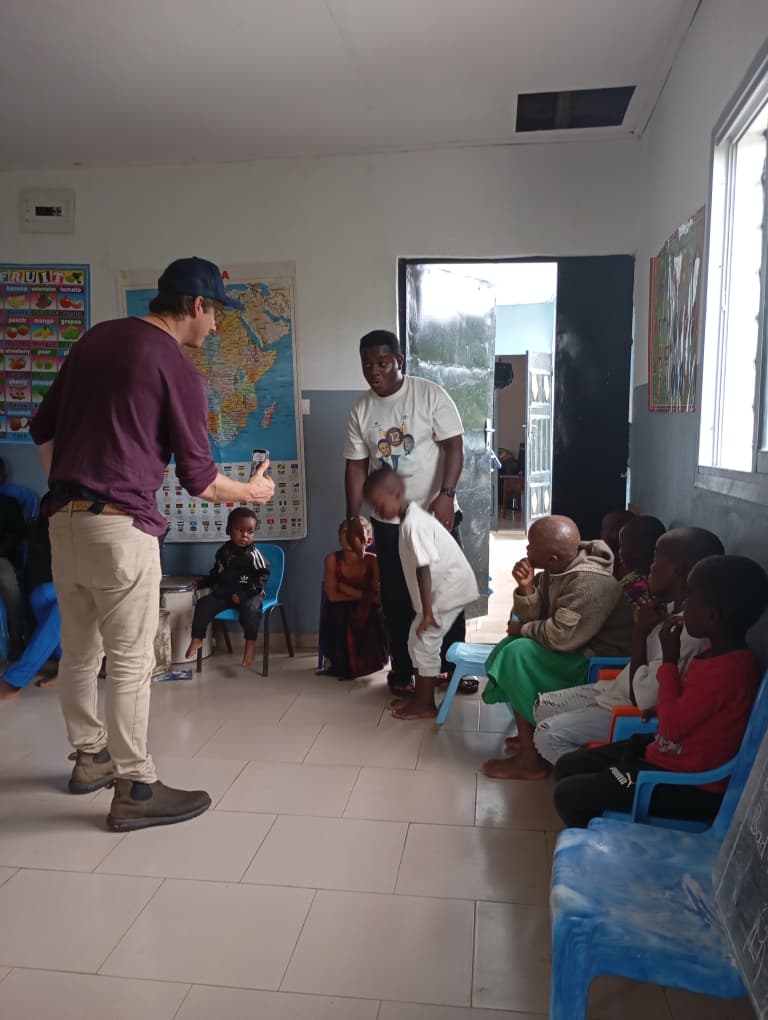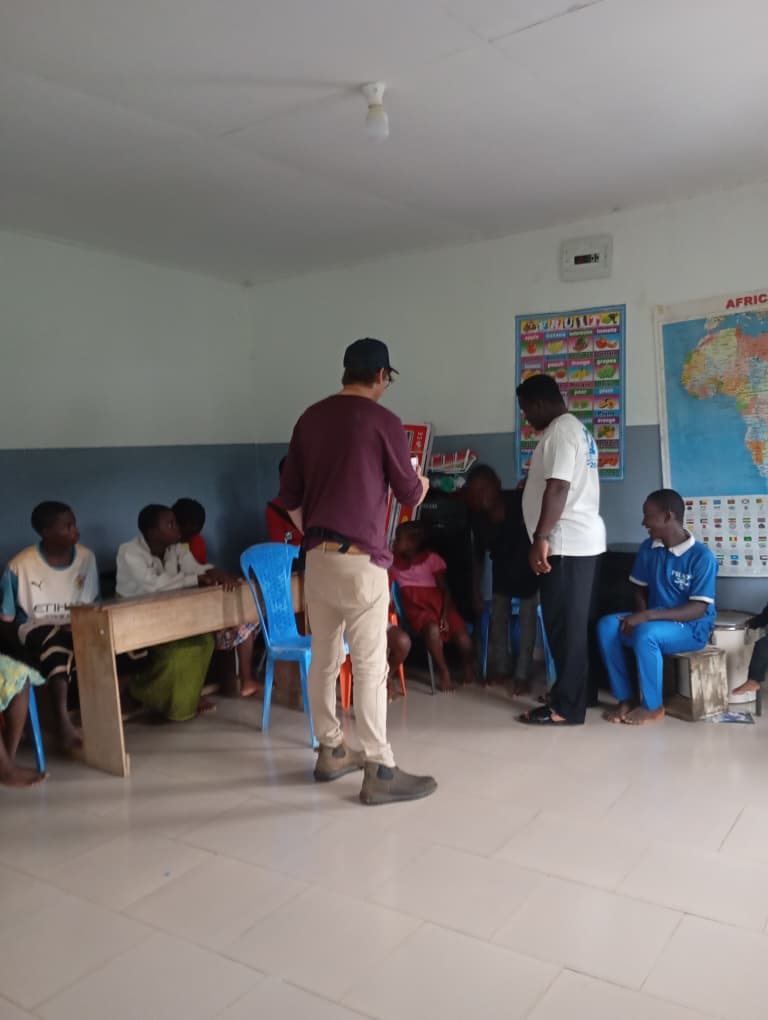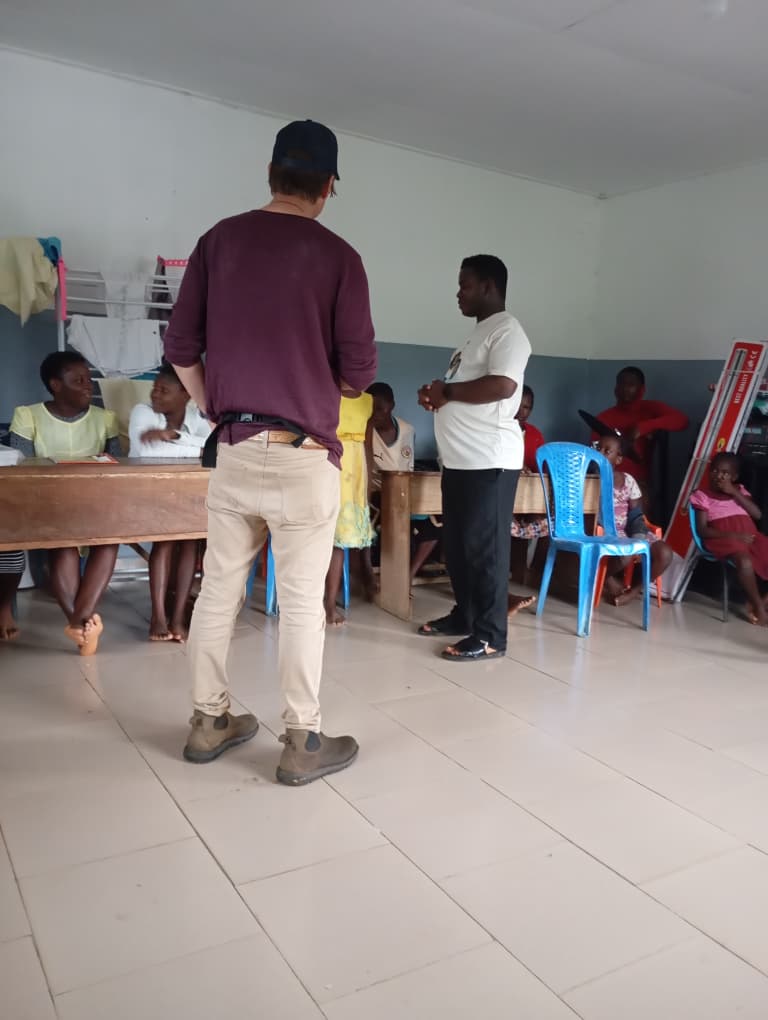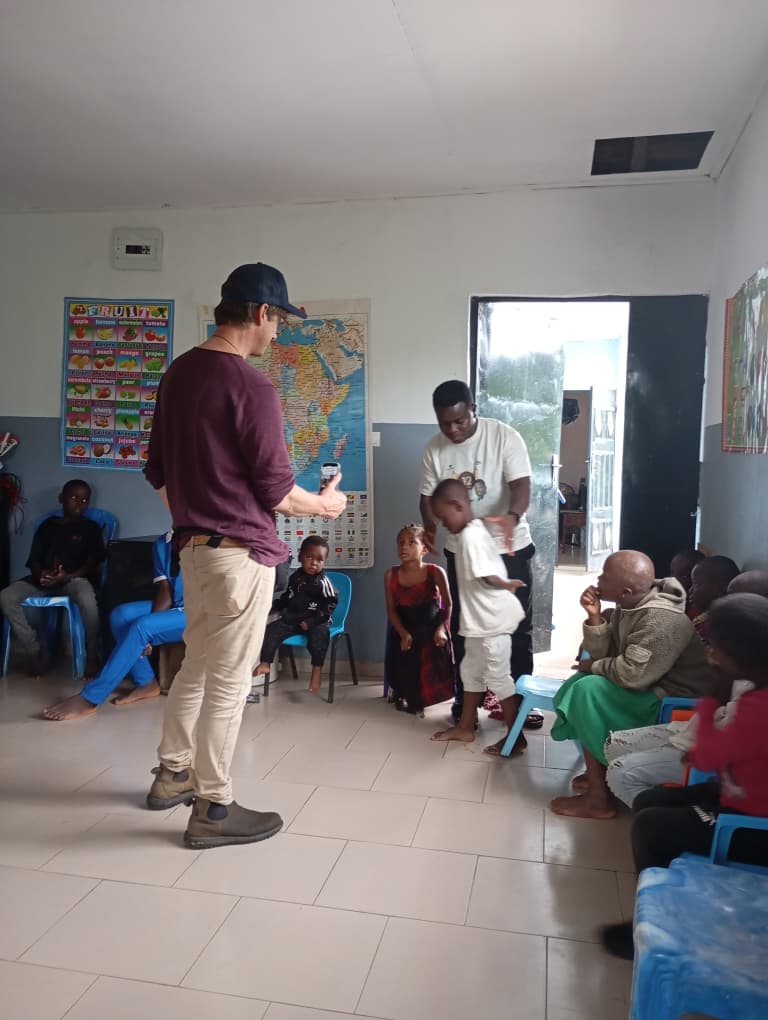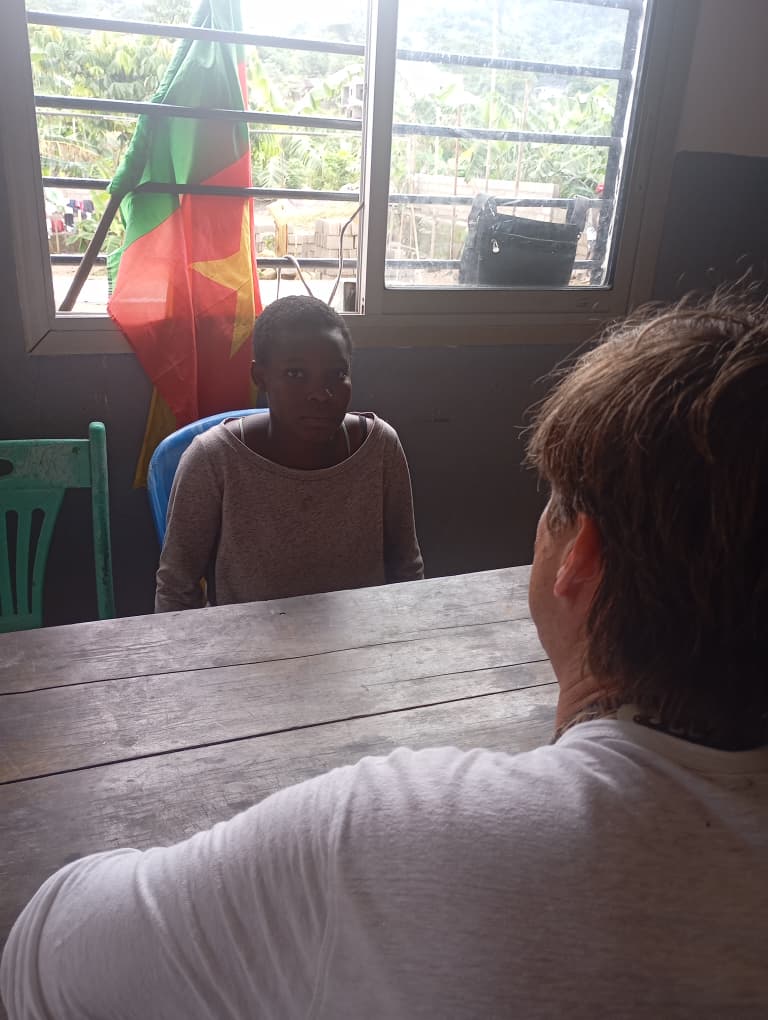
The room was quiet. The Cameroonian flag hung softly on the wall. Mr. Strother sat across from a child just a table between them, no cameras, no scripts, no agenda beyond listening. And then the child began to speak.
Not in rehearsed phrases. Not in the polished language of grant reports. But in raw, unfiltered truth about loss, hope, fear, and dreams. About what they needed to feel safe. About what would help them believe in tomorrow.
We watched Mr. Strother’s eyes well up. We saw his hand reach across the table, not to fix, not to promise, but simply to witness. In that moment, our team at Joyous Charity Organisation was reminded of something we hold sacred: orphan stories in Cameroon are not case files. They are human testimonies. And when we truly listen, they change us and they change how we serve.
This guide shares why listening to children in orphanages matters more than any program design, how we create space for their voices during field visits and daily care, and how your support can ensure every child feels heard, valued, and believed.
Listening to orphaned children in Cameroon means creating safe, intentional spaces for them to share their experiences, needs, and hopes. This child-centered approach informs better programs, builds trust, honors dignity, and ensures humanitarian support is guided by the voices of those it serves not just the assumptions of those who provide it.
Why Listening Is the First Act of Care
The Power of Being Heard
We have cared for children who arrived silent—eyes downcast, shoulders tense, words locked behind walls of trauma. Some had been trafficked. Some had witnessed violence. Some had simply learned that adults do not always keep promises.
Listening vs. Assuming
Too often, humanitarian programs are designed from the outside in. Well-meaning donors, international partners, or distant offices decide what children “need” based on data, trends, or good intentions.
But data cannot capture the weight of a child’s silence. Trends cannot measure the hope in a teenager’s dream. Good intentions cannot replace the wisdom of lived experience.
At JCO, we have learned: programs built on listening last longer, heal deeper, and honor dignity more fully. When children help shape the support they receive, they invest in it. They trust it. They thrive within it.
How We Create Space for Children’s Voices
During Field Visits: Intentional Listening Sessions
When international partners like Mr. Strother visit, we do not stage performances. We do not script testimonials. We create conditions for authentic conversation:
Physical Setting:
- Quiet, private spaces (not crowded halls)
- Simple seating at child-level (no towering adults)
- Optional presence of a trusted caregiver (never forced)
- Cameroonian flag or cultural elements to ground the space in identity
Emotional Safety:
- Clear explanation: “We are here to listen, not to judge”
- No pressure to speak; silence is respected
- Assurance that stories stay confidential unless the child chooses otherwise
- Time for questions: “What do you want to know about me?”
Practical Support:
- Age-appropriate language (no jargon, no complex questions)
- Visual aids or drawing materials for younger children
- Breaks for play, snacks, or rest if needed
- Follow-up: “What you shared matters. Here’s what we’ll do with it.”
In Daily Care: Listening as a Practice, Not an Event
Field visits are powerful, but listening cannot be a once-a-year event. We embed child voice into our daily operations:
Morning Check-Ins: Caregivers ask open questions: “How did you sleep?” “What’s on your mind today?” Not to interrogate, but to invite.
Group Circles: Weekly gatherings where children share wins, worries, or wishes. No one is forced to speak. Everyone is heard when they do.
Suggestion Boxes: Simple, anonymous ways for older children to share feedback about meals, activities, or concerns.
Youth Advisory Input: Teenagers help plan activities, review menus, or suggest improvements to programs. Their ideas are implemented when feasible—and explained when not.
One-on-One Mentorship: Each child has a designated caregiver who checks in regularly, building trust over time so deeper sharing becomes possible.
What We Do With What We Hear
Listening without action breeds cynicism. So we close the loop:
- Document key themes (anonymized) from listening sessions
- Share insights with our program team and leadership
- Adjust programs based on child feedback (e.g., adding tutoring after children expressed academic struggles)
- Report back to children: “You said X. We did Y. Thank you.”
- Communicate to donors and partners: “Here’s what children told us, and how your support responded.”
This cycle—listen, act, report—builds trust with children and accountability with supporters.
The Stories That Changed Our Approach
Mr. Strother’s Visit: A Turning Point
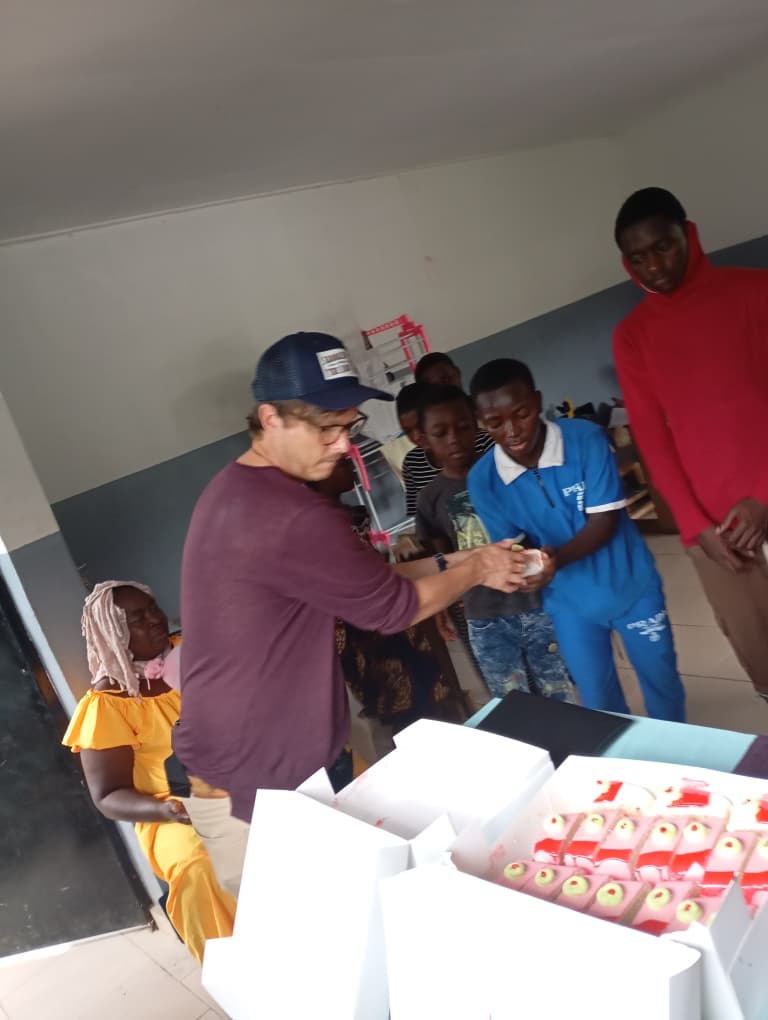
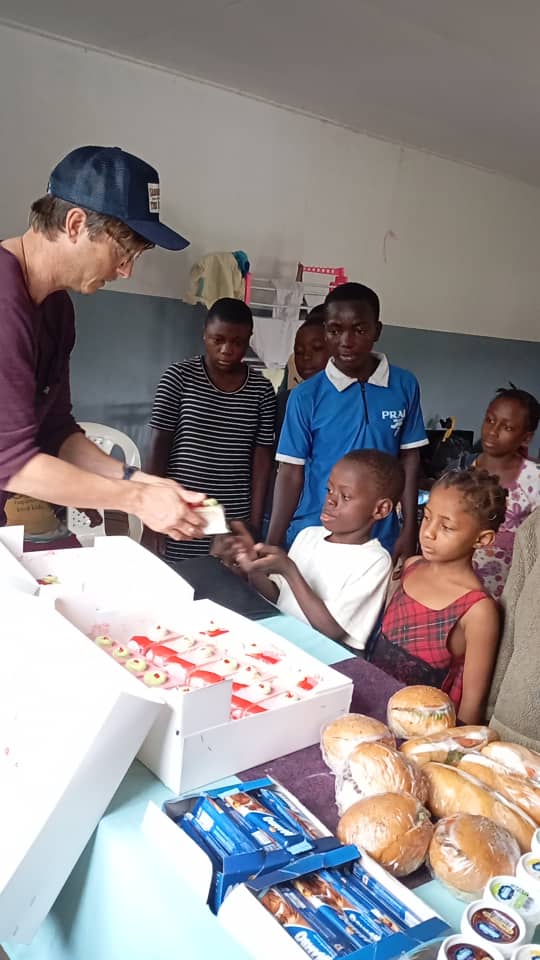
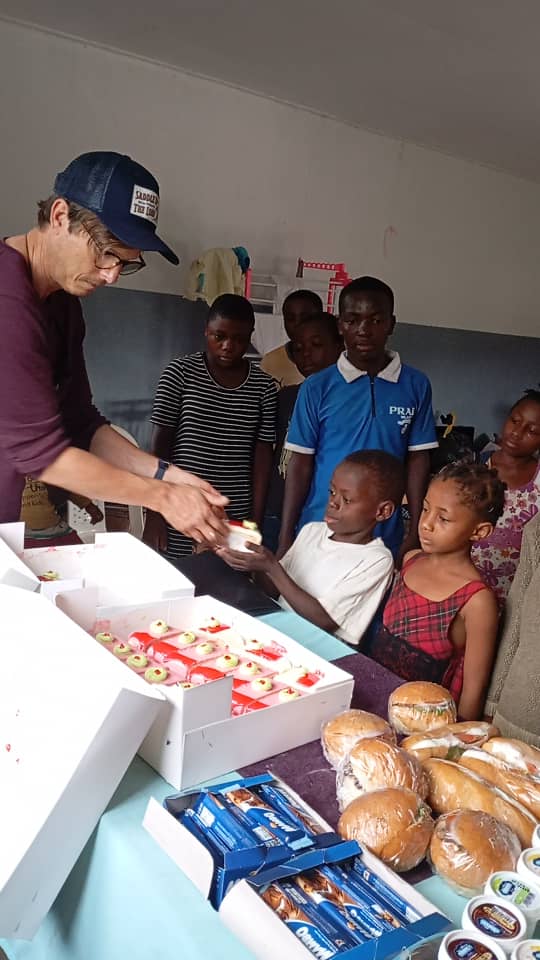
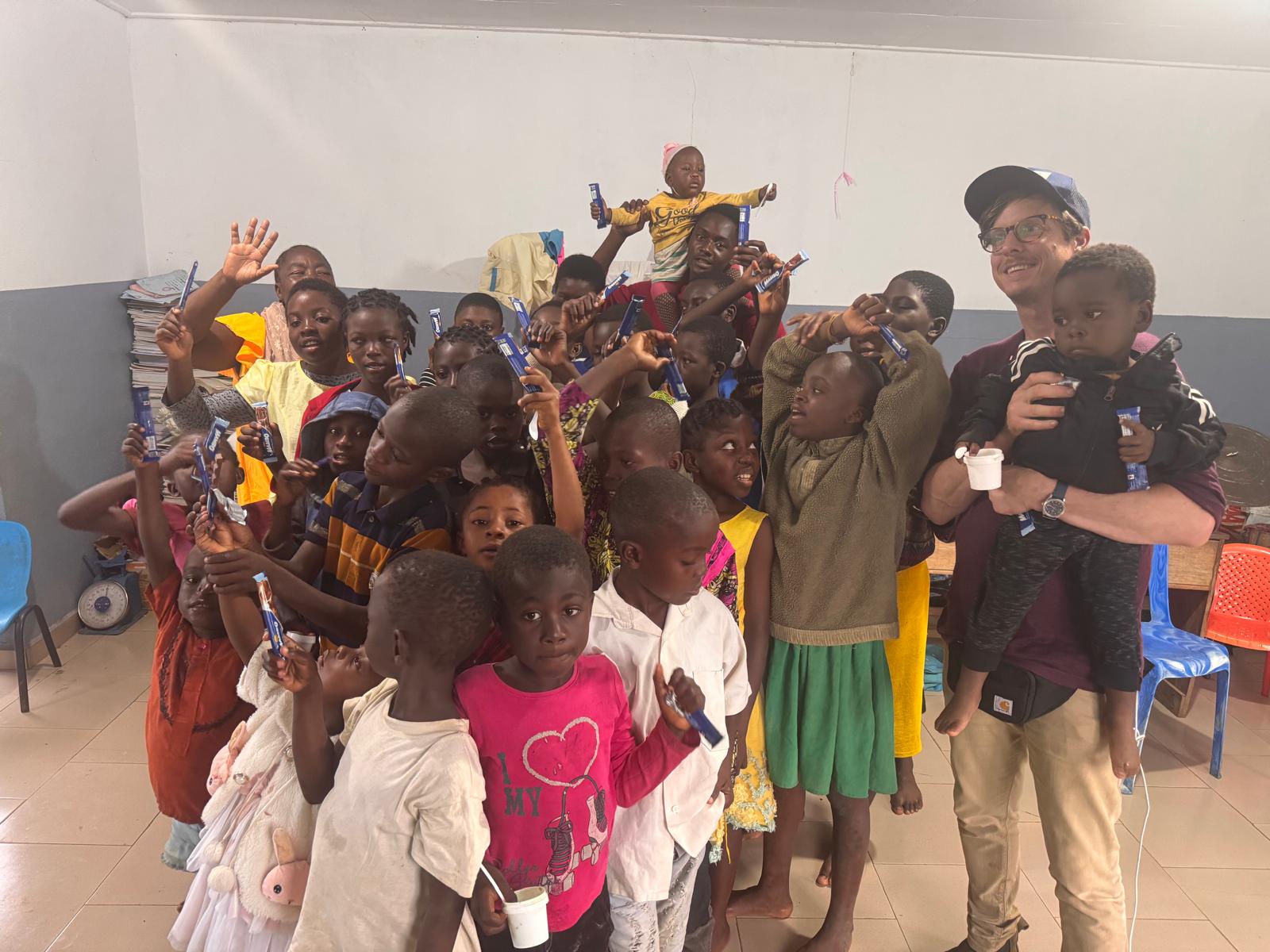
During his week in Cameroon, Mr. Strother met with dozens of children. He listened to their stories. He asked about their days. He learned their names. And he cried.
Not out of pity. Out of recognition.
He saw in their eyes what we see every day: resilience wrapped in vulnerability. Hope tangled with fear. Dreams deferred but not destroyed.
His emotional response was not weakness. It was humanity. And it reminded us: compassion is not a strategy. It is a stance.
After his visit, we reflected:
- How can we ensure every child feels this level of attention, not just during visits?
- How can we train all staff and volunteers in trauma-informed listening?
- How can we share these stories (with consent and dignity) to help donors understand the human impact of their support?
These questions continue to shape our work.
Stories That Guide Our Programs
Children’s voices have directly influenced our priorities:
Education Support:
When multiple children expressed desire to finish school but worry about fees, we expanded our scholarship program and added tutoring.
Health Access:
When children mentioned stomach pain or headaches they had never reported, we instituted routine health screenings and created a simple “health concern” reporting system.
Emotional Care:
When teens shared feelings of loneliness or anxiety, we launched peer support circles and trained caregivers in basic counseling techniques.
Cultural Connection:
When younger children asked about their heritage, we incorporated storytelling, traditional games, and cultural celebrations into weekly programming.
These were not top-down decisions. They were responses to what children told us they needed.