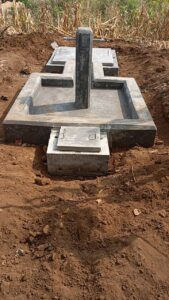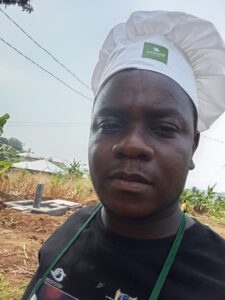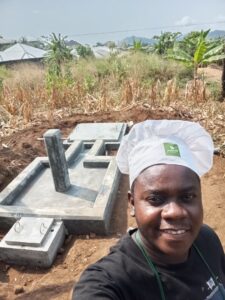
The first time the tap flowed, we gathered around it like it was a miracle. Maybe it was. Clean water, accessible right on our compound, without a long walk to the communal source. Pastor Atud stood beside it, smiling not with triumph, but with quiet gratitude. Children reached out to touch the stream, laughing as it splashed their hands. Caregivers filled buckets with purpose, not exhaustion.
At Joyous Charity Organisation, we have learned that clean water access in Cameroon orphanages is not a luxury. It is the foundation upon which health, dignity, and sustainability are built. When we installed our community water tap project, we were not just adding infrastructure. We were unlocking potential: for healthier children, for more efficient kitchens, for future agricultural projects, and for a community that no longer spends hours each day fetching water.
This guide explores why water projects matter deeply in orphanage care, how community taps transform daily operations and long-term resilience, and how your support can help us bring this life-giving resource to more vulnerable children across Cameroon.
Community water tap projects in Cameroon orphanages provide reliable, clean water access for drinking, cooking, hygiene, and agriculture. These projects reduce waterborne illness, save caregivers time, enable sustainable food production, and strengthen overall program sustainability, making them one of the highest-impact infrastructure investments in child welfare.
Why Water Access Changes Everything
The Daily Reality Before the Tap
Before our community tap, water was a constant concern. Caregivers and older children walked 20–30 minutes each way to the nearest public source. They carried heavy buckets on their heads or backs. They waited in lines. They paid small fees. And still, the water was not always clean.
This reality affected every aspect of our work:
- Health: Children were more vulnerable to cholera, typhoid, and diarrheal diseases
- Time: Hours spent fetching water were hours not spent on homework, play, or emotional support
- Hygiene: Limited water meant compromised handwashing, laundry, and cleaning routines
- Cooking: Large pots of Fufu and Eru require significant water; scarcity meant difficult choices
- Agriculture: Our vision for sustainable food production remained just that a vision without reliable irrigation
When water is scarce, everything else becomes harder.
The Ripple Effects of Reliable Water
Installing a community tap did not just solve one problem. It created a cascade of positive change:
✅ Health Improvements: Fewer waterborne illnesses, better hygiene practices, stronger immune systems
✅ Time Reclaimed: Caregivers and children redirect energy toward education, rest, and relationship-building
✅ Kitchen Efficiency: Cooking large traditional meals becomes safer, faster, and more consistent
✅ Agricultural Potential: Water access enables kitchen gardens, crop cultivation, and future self-sufficiency
✅ Community Dignity: No more waiting in lines or depending on unpredictable public sources
Water is not just a resource. It is a multiplier.
How Community Tap Projects Work in Practice
Planning with Purpose: More Than Just Digging a Hole
We did not install our tap on impulse. We approached it with intentionality:
Community Assessment:
- Surveyed local water sources, quality, and accessibility
- Consulted with neighbors to ensure shared benefit and avoid conflict
- Identified the most strategic location for maximum impact
Technical Planning:
- Partnered with local engineers to assess groundwater potential
- Select appropriate pump technology (manual or solar-powered)
- Designed storage and distribution systems for reliability
Sustainability Strategy:
- Trained local caregivers on basic maintenance and troubleshooting
- Established a small repair fund from ongoing donations
- Created clear usage guidelines to prevent waste or conflict
Child Protection Integration:
- Ensured tap location is visible and safe for children to access
- Designed handwashing stations at child-appropriate heights
- Incorporated hygiene education into children’s weekly routines
This was not a “drop and go” project. It was a community-owned solution designed to last.
The Installation: A Moment of Collective Hope
The day the tap was installed felt like a celebration. Pastor Atud, volunteers, and even some children gathered to witness the first flow. When clear water emerged, there was applause not for the technology, but for what it represented: a step toward self-sufficiency, health, and hope.
We marked the occasion with prayer, with shared Fufu and Eru, and with a commitment: this tap would serve not just our orphanage, but the wider community when need arose. Because water, like compassion, is meant to flow outward.
The Connection Between Water and Sustainable Agriculture
JCO’s Vision: “Carrying Out Sustainable Agricultural Projects”
One of Joyous Charity Organisation’s core objectives is clear: “Carrying out Sustainable Agricultural Projects to encourage self-production of food crops in orphanages.”
But agriculture without water is a dream deferred.
Our community tap project is not an endpoint. It is a gateway to:
- Kitchen gardens: Growing vegetables like eru, tomatoes, and peppers for daily meals
- Fruit trees: Planting mango, papaya, or citrus for nutrition and potential income
- Staple crops: Cultivating cassava, plantains, or maize to reduce purchasing costs
- Skills training: Teaching children’s agricultural techniques they can use throughout life
When children plant seeds, water them, and watch them grow, they learn more than farming. They learn patience. They learn stewardship. They learn that their labor can produce abundance.
From Dependency to Resilience
We believe charity should empower, not enable dependency. Water access is a critical piece of that philosophy:
Short-Term Impact: Immediate health and hygiene improvements
Medium-Term Impact: Reduced food costs through garden production
Long-Term Impact: Potential income from surplus crops, skills development for youth, and a model that other orphanages can replicate
This is sustainability in action: investing in systems that reduce future need.
How You Can Support Water and Agriculture Projects
Direct Infrastructure Support
Fund a Community Tap: $1,500–$3,000 covers drilling, pump installation, storage, and distribution
Sponsor a Solar-Powered System: $2,500–$4,500 enables reliable, low-maintenance water access
Support a Kitchen Garden Startup: $300–$600 provides seeds, tools, training, and irrigation materials
Full Water & Agriculture Package: $5,000+ funds tap, garden, training, and first-year maintenance
Recurring Operational Support
Water Maintenance Fund: $50/month ensures pump repairs, filter replacements, and system upkeep
Garden Sustainability Reserve: $30/month covers seeds, soil amendments, and tool replacement
Hygiene Education Program: $25/month supports child-friendly handwashing and sanitation training
In-Kind Contributions
We welcome:
- Water storage containers (food-grade, durable)
- Gardening tools (child-safe shovels, watering cans, gloves)
- Seeds for nutrient-dense, climate-appropriate crops
- Educational materials on hygiene and sustainable farming
Volunteer Your Expertise
If you have experience in:
- Water engineering, hydrology, or WASH program design
- Sustainable agriculture, permaculture, or agroecology
- Hygiene promotion or child-friendly education methods
- Local supply chain sourcing for construction or farming materials
We would love to partner with you to design solutions that are culturally appropriate, economically sustainable, and immediately impactful.
Frequently Asked Questions (FAQ)
Why prioritize water projects over other orphanage needs?
Water is foundational. Without clean, reliable access, health suffers, hygiene is compromised, cooking becomes difficult, and agriculture is impossible. Investing in water creates multiplicative benefits across all program areas, making it one of the highest-impact infrastructure choices.
How do you ensure the tap serves the whole community, not just the orphanage?
We design access points with shared use in mind, establish clear usage guidelines with neighborhood input, and prioritize locations that benefit vulnerable families nearby. Water is a communal resource; our projects reflect that value.
What maintenance is required, and who handles it?
We train local caregivers on basic troubleshooting and partner with regional technicians for major repairs. A portion of donations is allocated to a maintenance reserve fund. We also document systems clearly so knowledge stays local.
Can donors see exactly how their water project funds are used?
Yes. We provide photo documentation, receipts for major purchases, and impact updates showing reduced illness rates, time saved, or garden yields. Transparency builds trust and trust sustains partnership.
How does water access connect to child development outcomes?
Clean water reduces illness (improving school attendance), saves time (freeing energy for learning), enables nutrition (through gardens), and teaches responsibility (through garden participation). It is a quiet but powerful catalyst for holistic growth.
What if we can’t fund a full tap project right now?
Every contribution matters. Even $50 can buy water storage containers. $100 can fund hygiene education materials. $250 can start a small kitchen garden with manual watering. We pool resources strategically and celebrate incremental progress.
How do you involve children in water and agriculture projects?
We design child-friendly handwashing stations, create garden plots sized for young hands, and incorporate water/hygiene lessons into weekly programming. Children learn by doing and they take pride in caring for their community’s resources.