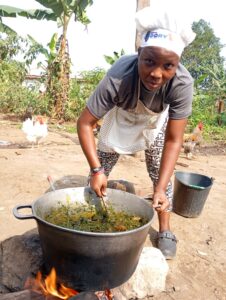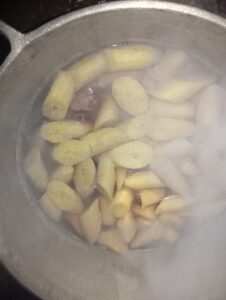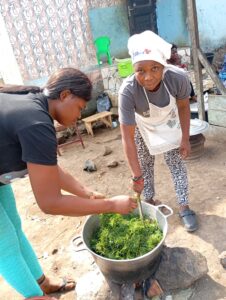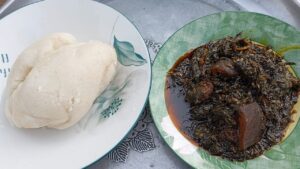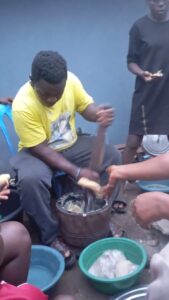
The smoke curls upward before the sun fully rises. The scent of palm oil and leafy greens fills the air. Large metal pots sit over crackling wood fires, stirred by hands that have learned the rhythm of care through repetition, not recipe books. This is not a commercial kitchen. This is not a culinary school. This is where love meets necessity, where the orphanage kitchen infrastructure in Cameroon becomes the quiet backbone of child welfare.
At Joyous Charity Organisation, we do not romanticize our kitchen. We honor it. We work within its constraints. And we dream of its transformation. Because every meal prepared over an open fire is both an act of devotion and a reminder of what sustainable change could unlock. This guide pulls back the curtain on the daily reality of orphanage cooking in Cameroon, explains why infrastructure matters as much as ingredients, and shows how your support can help us build kitchens that protect both health and hope.
Orphanage kitchens in Cameroon often operate with open-fire cooking, large metal pots, manual food preparation, and limited refrigeration. While these methods produce nutritious, culturally appropriate meals like Fufu and Eru, they present health, safety, and efficiency challenges. Upgrading to smokeless stoves, gas burners, refrigeration, and covered cooking spaces can dramatically improve caregiver health, food safety, and long-term sustainability.
The Daily Reality: Cooking with Open Fires
What Our Kitchen Looks Like
We will be transparent: our kitchen is not modern. It is a semi-outdoor space with:
- Large metal pots (often 20–30 liters) set directly over wood or charcoal fires
- Manual preparation: hand-pounding fufu, washing greens in basins, chopping with simple knives
- Limited ventilation: smoke rises naturally, but caregivers breathe it for hours daily
- Basic storage: dry goods in sealed containers; perishables purchased daily due to limited refrigeration
- Communal eating area: a simple table where children, volunteers, and caregivers share meals
This is not a complaint. It is a description. And within this space, something beautiful happens: children are fed. Traditions are preserved. Community is built.
The Hidden Costs of Open-Fire Cooking
Health & Safety Challenges
We love our traditional cooking methods. But we also acknowledge their real-world impacts:
For Caregivers:
- Respiratory strain: Prolonged smoke exposure contributes to coughing, eye irritation, and long-term lung concerns
- Burn risks: Open flames and hot pots require constant vigilance; minor burns are not uncommon
- Physical fatigue: Hand-pounding fufu and stirring large pots for hours is physically demanding
For Children:
- Indirect smoke exposure: Even in semi-outdoor spaces, children nearby inhale particulates
- Safety hazards: Curious younger children may wander near flames without constant supervision
- Food safety risks: Without refrigeration, perishables must be cooked immediately or risk spoilage
For Program Sustainability:
- Fuel costs: Firewood and charcoal prices fluctuate; budgeting becomes unpredictable
- Time intensity: Traditional methods require hours of preparation, limiting time for other caregiving tasks
- Weather vulnerability: Rain or wind can disrupt cooking, delay meals, or damage equipment
These are not reasons to abandon tradition. There are reasons to innovate within tradition to honor cultural methods while protecting the people who practice them.
Why Infrastructure Upgrades Matter
The Case for Smokeless Stoves & Gas Burners
Imagine a kitchen where:
- Caregivers cook without breathing heavy smoke
- Heat is controlled with a turn of a knob, not constant wood-adding
- Fuel costs drop by 30–50% through efficient combustion
- Cooking time shortens, freeing caregivers for emotional support and educational activities
This is not a fantasy. Smokeless stoves and gas burners are available, affordable, and transformative. They:
- Reduce respiratory health risks for cooks and children
- Cut fuel expenses through efficient energy use
- Provide consistent heat for better food safety
- Allow cooking during rainy seasons without disruption
At JCO, we are actively fundraising for these upgrades. Because protecting our caregivers is protecting our children.
The Power of Refrigeration & Covered Spaces
Refrigeration changes everything:
- Buy proteins and vegetables in bulk at wholesale prices (saving 20–30%)
- Preserve leftovers safely, reducing waste
- Store medicines or special dietary items when needed
- Plan menus days instead of reacting to daily market availability
Covered cooking spaces offer:
- Protection from rain, dust, and extreme sun
- Better ventilation design to channel smoke away from people
- Dedicated areas for food prep, cooking, and cleaning (improving hygiene)
- A sense of dignity and permanence for caregivers who invest their labor daily
These are not luxuries. They are foundational investments in sustainable, dignified care.
The Homemade Swing Principle
During a recent visit, a volunteer pointed to a simple rope swing hanging from a tree near the kitchen. “Who made this?” they asked. “The children,” we replied. “With help from Pastor Atud.”
That swing crafted from available materials, built with intention, used with joy, captures our philosophy: resourcefulness is not resignation. We work with what we have. But we also dream of what we could build with a partnership.
Upgrading our kitchen is not about importing foreign solutions. It is about amplifying local wisdom with tools that reduce strain, improve safety, and extend impact.
How You Can Help Transform Our Kitchen
Direct Infrastructure Support
Fund a Smokeless Stove: $150–$300 provides one efficient, healthier cooking unit
Sponsor a Refrigerator: $400–$600 enables bulk buying, reduces spoilage, improves food safety
Support a Covered Kitchen Build: $1,500–$3,000 creates a weather-protected, ventilated cooking space
Full Kitchen Upgrade Package: $2,500+ funds stove, fridge, storage, and ventilation improvements
Recurring Operational Support
Monthly Fuel Fund: $50/month ensures consistent firewood, charcoal, or gas canisters
Kitchen Maintenance Reserve: $30/month covers pot repairs, utensil replacement, and cleaning supplies
Caregiver Support Stipend: $100/month honors the labor of those who cook with love daily
In-Kind Contributions
We welcome:
- Cooking fuel (charcoal bags, gas canisters, firewood)
- Kitchen equipment (large pots with lids, wooden spoons, mortars and pestles)
- Food storage solutions (airtight containers, drying racks, freezer bags)
- Safety items (heat-resistant gloves, fire extinguishers, first aid supplies)
Volunteer Your Expertise
If you have experience in:
- Sustainable kitchen design for resource-limited settings
- Renewable energy solutions (solar, biogas, efficient combustion)
- Food safety training and hygiene protocol development
- Local supply chain sourcing for construction materials
We would love to partner with you to design upgrades that are culturally appropriate, economically sustainable, and immediately impactful.
Frequently Asked Questions (FAQ)
Why not just switch to electric stoves or modern appliances?
In many Cameroonian communities, electricity is unreliable or expensive. Gas burners and smokeless biomass stoves offer more consistent, affordable, and maintainable solutions. We prioritize upgrades that work within local infrastructure realities.
How do you ensure traditional meals still taste authentic with new equipment?
Our cooks lead the transition. Smokeless stoves and gas burners can replicate traditional heat patterns when used with care. We test adjustments gradually, always prioritizing the flavor, texture, and cultural integrity of dishes like Fufu and Eru.
What happens to the old pots and tools after upgrades?
Nothing goes to waste. Larger pots may be repurposed for community events or agricultural use. Wooden spoons and mortars remain in use for smaller batches or teaching. We honor the tools that served us while embracing improvements.
Can donors see exactly how their kitchen upgrade funds are used?
Yes. We provide photo updates, receipts for major purchases, and before/after documentation (with consent). We believe transparency builds trust and trust sustains partnership.
Conclusion: Full Hearts Deserve Safe Hands
At Joyous Charity Organisation, we do not measure kitchen success by how modern it looks. We measure it by how safely our caregivers work, how consistently our children eat, and how faithfully tradition is honored while progress is embraced.
The smoke that rises from our open fires carries both challenge and hope. Challenge: because we know the health risks, the labor strain, the unpredictability. Hope: because within that smoke, meals are made, memories are preserved, and love is ladled into every bowl.